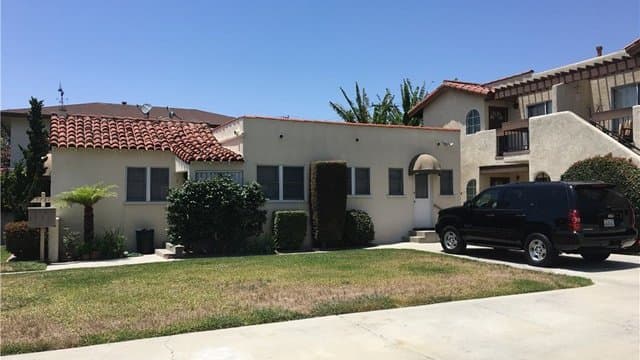
Utilities are one of the least glamorous parts of owning rental property, and one of the most important. How a building is metered determines who pays for what, how predictable your expenses are, and how much friction there is with tenants. At 7781 15th St in Westminster, the property is separately metered with 5 electric meters and 4 gas meters.
What the meter count means
There are four residential units on the property. Four gas meters line up with that: one gas meter per unit. The five electric meters mean the four units are covered, with one additional meter that may serve a common or auxiliary load such as outdoor lighting or garages. We recommend confirming exactly which meter serves which space during your walkthrough and by reviewing the utility accounts.
Why separate meters matter
In a master-metered building, the owner receives one bill and either absorbs it or divides it using a formula. That arrangement has three common problems:
- Expense volatility. A hot summer or a high-usage tenant raises the owner's costs.
- No usage incentive. When tenants do not see what they use, there is little reason to conserve.
- Disputes. Allocating a shared bill is a frequent source of disagreement.
With individual meters, each household sets up an account with the utility and pays for what it uses. The owner's exposure is limited to common areas and any units that are vacant.
The effect on operating expenses
The property reports $39,245 in annual operating expenses, or about 35 percent of gross scheduled income. Because most utility consumption is billed directly to occupants, utilities are not a large owner-paid line item the way they are in master-metered buildings. We will go through the full expense picture in the financial phase of this series. The takeaway for now is that separate metering supports more predictable net operating income.
Vacancy and common-area costs
Separate metering does not remove every utility cost. Owners typically still pay for:
- Electricity for any common-area or exterior lighting on the shared meter
- Water and trash service, depending on how the property is billed (we will cover these in the expense audit)
- Utilities for a unit during vacancy, until a new tenant opens an account
For different buyer types
- Investors can underwrite with fewer variables, since utility swings largely belong to tenants.
- Owner-occupants pay for their own front house usage and do not subsidize the units behind them.
- Lenders and appraisers generally prefer clean expense histories, and separate meters support that.
What to verify
- Which meter serves which unit, garage, and common area
- Whether each tenant's account is in their own name
- Twelve months of utility history for any owner-paid meters
- Water and trash billing structure, since these are often not separately metered
- Condition and safety of meter panels and gas lines
Common questions
Who pays for water and trash? That is not answered by the electric and gas meter count. Request the water, sewer, and trash bills and the lease terms to see how they are handled today.
What happens when a unit is vacant? The owner usually covers utilities until a new tenant opens an account, so budget for that.
What is the fifth electric meter for? Confirm with the utility and the seller. It may serve shared or exterior needs, and that cost would belong to the owner.
Key takeaways
- Five electric and four gas meters let tenants pay for what they use, which supports steadier owner expenses.
- Water, sewer, and trash may still be owner-paid, so check those bills separately.
- Vacant units and common areas remain the owner's utility responsibility.
Next step
Review the utility metering breakdown for a unit-by-unit view of how the property is set up. It will help you build an expense model you can trust.
Listed by Century Financial Group Corp. (Karen Luu). Figures reflect seller-provided information and are not guaranteed. Buyers should verify all details during due diligence. This article is general information, not tax, legal, or financial advice.